24/7 alarm monitoring: the short answer
Alarm monitoring connects your intruder alarm, CCTV, fire alarm or lone worker devices to a staffed alarm receiving centre that handles every signal around the clock. Operators verify activations, call your keyholders and request police response where the system qualifies. It is for any business whose premises are empty at night or at weekends. The standard for alarm receiving centres is BS EN 50518. Hawthorne's intruder alarm monitoring typically starts from around £349 a year, confirmed once we have checked your system.
The work is split clearly. Hawthorne designs, installs and maintains the systems, sets the response plan and manages your keyholders. Fenix Monitoring, our NSI Gold-approved partner alarm receiving centre, provides the operators who handle signals 24 hours a day, 365 days a year.
The standards that apply
BS EN 50518. The European standard for monitoring and alarm receiving centres. It covers the centre's construction and resilience, standby power, communications, staffing and operating procedures. It replaced BS 5979, the older British Standard for alarm receiving centres. Police response and most insurers depend on signals going to a centre that meets it.
NPCC policy and URNs. Under National Police Chiefs' Council policy, police attend monitored intruder and hold-up alarms, and detector-activated CCTV, only when the system holds a Unique Reference Number. The URN is issued by the local force to systems installed by a certified company, such as Hawthorne under our SSAIB registration (NORF034), and monitored by a compliant centre. Police are asked to attend confirmed alarms, not unconfirmed ones.
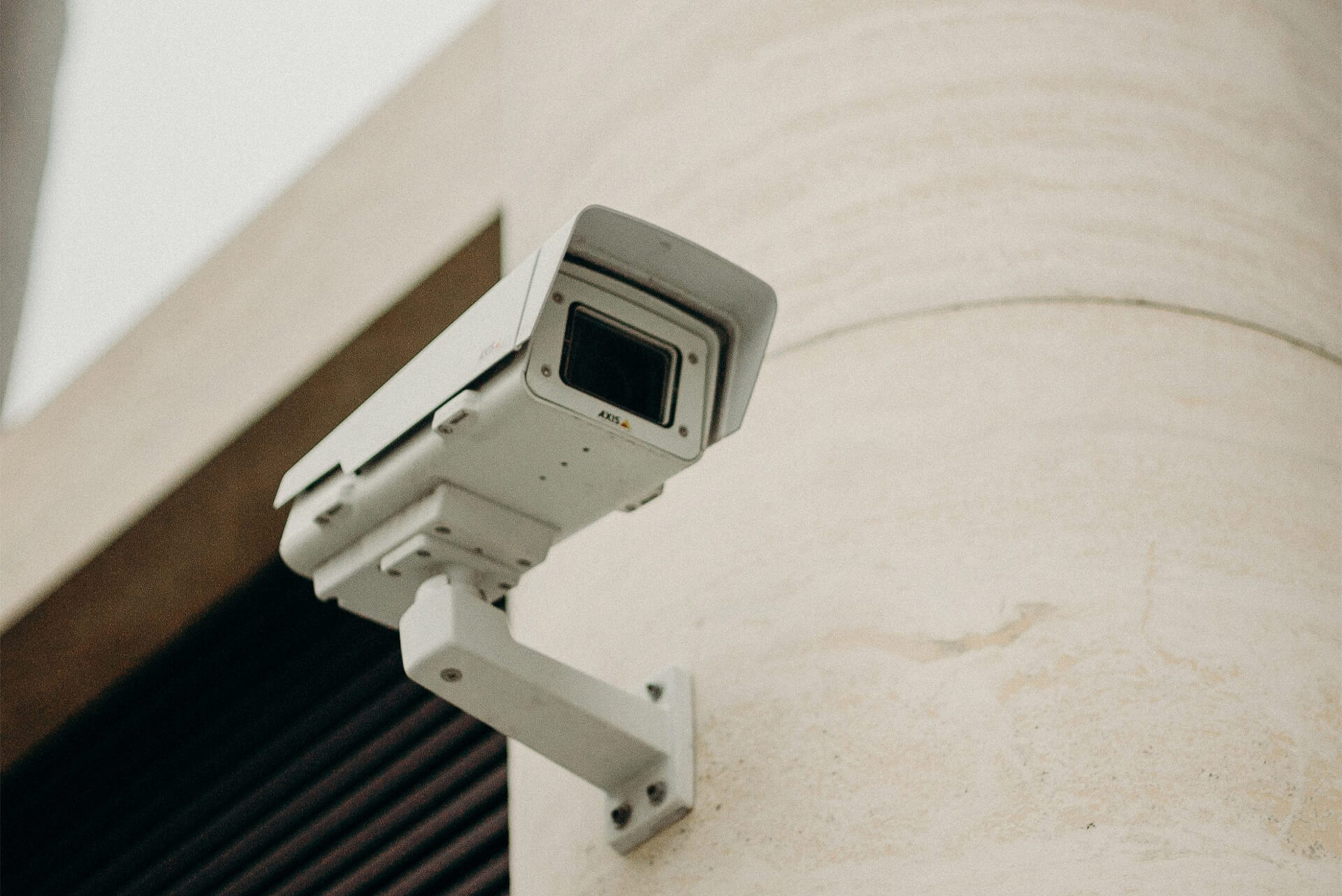
BS 8418. The code of practice for detector-activated, remotely monitored CCTV. A CCTV system must be designed, installed and maintained to BS 8418 for police to respond to its activations. See CCTV monitoring.
BS 8591. A code of practice for other remote centres that receive alarm signals, including remote video response centres, which watch CCTV on activation and respond with audio warnings and keyholder calls.
Fire signalling. BS 5839-1:2025 sets limits for how quickly a fire signal must reach the alarm receiving centre: 90 seconds for Category L systems and 120 seconds for Category P. Lone workers. BS 8484 is the code of practice for lone worker device services, covering how devices and the monitoring centre work together.
How monitoring is set up
- Survey. We check the system can signal reliably, which path it uses, and whether it relies on an analogue phone line. Free.
- Design and specification. Signalling path, usually dual-path IP and 4G, plus response level, confirmation method and escalation plan.
- Quote. Signalling equipment as a one-off cost and the annual monitoring charge, shown separately.
- Installation. Signalling equipment fitted or upgraded, and the system registered with Fenix Monitoring.
- Commissioning. Every signal type tested end to end with the operators: alarm, fault, path failure, and setting and unsetting where reported. Where police response is in scope, we make the URN application.
- Handover. Your keyholder list, escalation order, passwords and what happens on each alarm type, confirmed in writing.
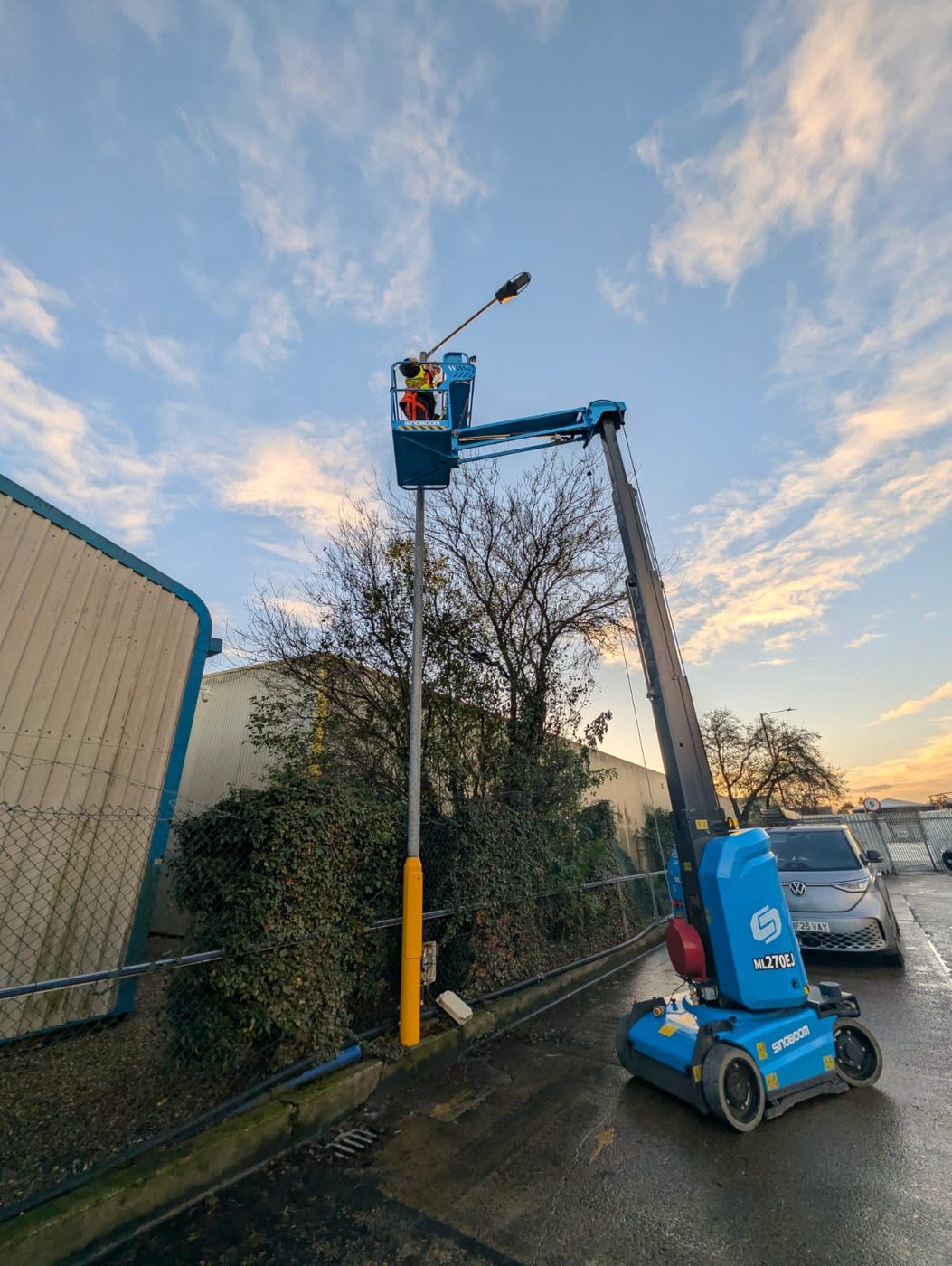
- Maintenance. Signalling tested at every service, and path failures followed up by our engineers.
What's included in the price
A monitoring contract covers 24/7 signal handling by Fenix Monitoring, verification of activations, keyholder calls in your chosen order, police requests where the system holds a URN, fault and path-failure alerts, and a log of every event for insurers and auditors. Hawthorne keeps your response plan and keyholder list current and sends an engineer when a fault needs attending. The signalling hardware, maintenance visits and keyholding or mobile response services are priced separately.
How much does monitoring cost?
Guide prices, confirmed once we have checked your system:
- Hawthorne intruder alarm monitoring: from around £349 a year
- Fire alarm: £50 to £100 a year for a basic signalling path, or £150–£350 for a monitoring contract
- Intruder alarm, typical UK ranges: £200 to £400 a year per system for keyholder response, £400 to £900 for police response
- CCTV: typically £15–£40 per camera per month
For the detail, see our fire alarm servicing costs, intruder alarm costs and CCTV costs, or use the pricing calculator.
Who uses 24/7 monitoring in East Anglia
- Logistics and warehousing: yards and loading bays empty overnight, covered by CCTV monitoring with audio warnings.
- Food production: intruder and fire monitoring for plants that shut at weekends or between shifts.
- Care homes: fire alarm monitoring, which BS 5839-1:2025 expects in residential care premises where needed to meet the standard.
- Schools: intruder and fire monitoring through evenings and holidays.
- Offices and retail: intruder monitoring with police response, and monitored hold-up alarms.
- Housing and managed blocks: fire alarm monitoring of common parts, and lone worker cover for site staff.
- Rural and remote sites: monitored CCTV where nobody is close enough to hear an alarm.
Keeping monitored systems healthy
Monitoring is only as good as the signal. A failing battery, a cut line or a camera knocked out of position creates a gap nobody sees until an incident. Path failures and faults are reported to us as well as to you, and our engineers follow them up. Every maintenance visit tests the signalling end to end. Maintenance contract customers get a 4-hour response to emergencies and a same-day response to non-emergency faults. With the UK's analogue telephone network being switched off, any system still signalling over an old copper line should be checked now.