Commercial intruder alarms: the short answer
A commercial intruder alarm detects forced or unauthorised entry and signals it to a sounder, your phone or a 24/7 alarm receiving centre. For business premises it should be graded under BS EN 50131 and PD 6662, usually Grade 2 or Grade 3 as your insurer specifies, and installed by a certified company if you want police response. As a guide, a small Grade 2 commercial system costs £1,500 to £3,000 installed, confirmed at a free survey.
The standards that apply
BS EN 50131 and PD 6662. BS EN 50131 is the European standard for intruder and hold-up alarm systems, and PD 6662 is the UK scheme for applying it. Together they set four security grades:
- Grade 1: low risk, intruders with little knowledge. Rare in commercial use.
- Grade 2: low to moderate risk, intruders with basic tools. The most common commercial grade.
- Grade 3: higher risk, intruders with knowledge and a wider range of tools. Common where stock is valuable.
- Grade 4: high security, intruders with detailed knowledge and specialist equipment.
The grade also sets minimum signalling performance, measured against the BS EN 50136 alarm transmission system (ATS) categories. Higher grades need a more resilient path and faster fault reporting. Most insurer schedules for commercial premises call for dual-path signalling, typically IP plus 4G. If one path is cut the other still gets the alarm through, and the loss of a path is itself reported.
BS 8243 and confirmed alarms. Police policy requires monitored systems to generate confirmed alarms before police are asked to attend. BS 8243 is the code of practice for how: sequential confirmation, where two separate detectors trigger in turn, audio confirmation, or visual confirmation using images or video. Confirmation is what separates a burglar from a spider on a detector.
NPCC policy and URNs. Police response to alarms is governed by the National Police Chiefs' Council (NPCC) requirements for security systems. A system qualifies only if it is installed and maintained by a company certified by a UKAS-accredited body such as SSAIB, monitored by an alarm receiving centre that meets BS EN 50518, and issued a Unique Reference Number (URN) by the local police force. Keyholders must be available to attend. Repeated false alarms lead to warnings and then withdrawal of police response. Hawthorne is SSAIB registered (NORF034), so our monitored systems can qualify for a URN.
How an intruder alarm project runs
- Survey. Entry points, high-value areas, how the building is used out of hours, and what your insurance schedule requires. Free.
- Design and specification. Grade, zones for part-setting, detector types and positions, confirmation method, signalling path and response level.
- Quote. An equipment list with the make and model of the panel, signalling unit and every detector, plus grade, signalling and monitoring terms.
- Installation. Wired, wireless (we are Ajax Approved Installers) or hybrid, with minimal disruption.
- Commissioning and certification. Every detector walk-tested, entry and exit routes checked, signalling tested end to end with the alarm receiving centre, and an SSAIB certificate of conformity issued.
- Handover and training. Setting, unsetting and part-setting, app access, user codes, keyholder arrangements, and what to do after a false alarm.
- Maintenance. Routine visits at the frequency the standard and your insurer require, plus fault response.
What's included in the price
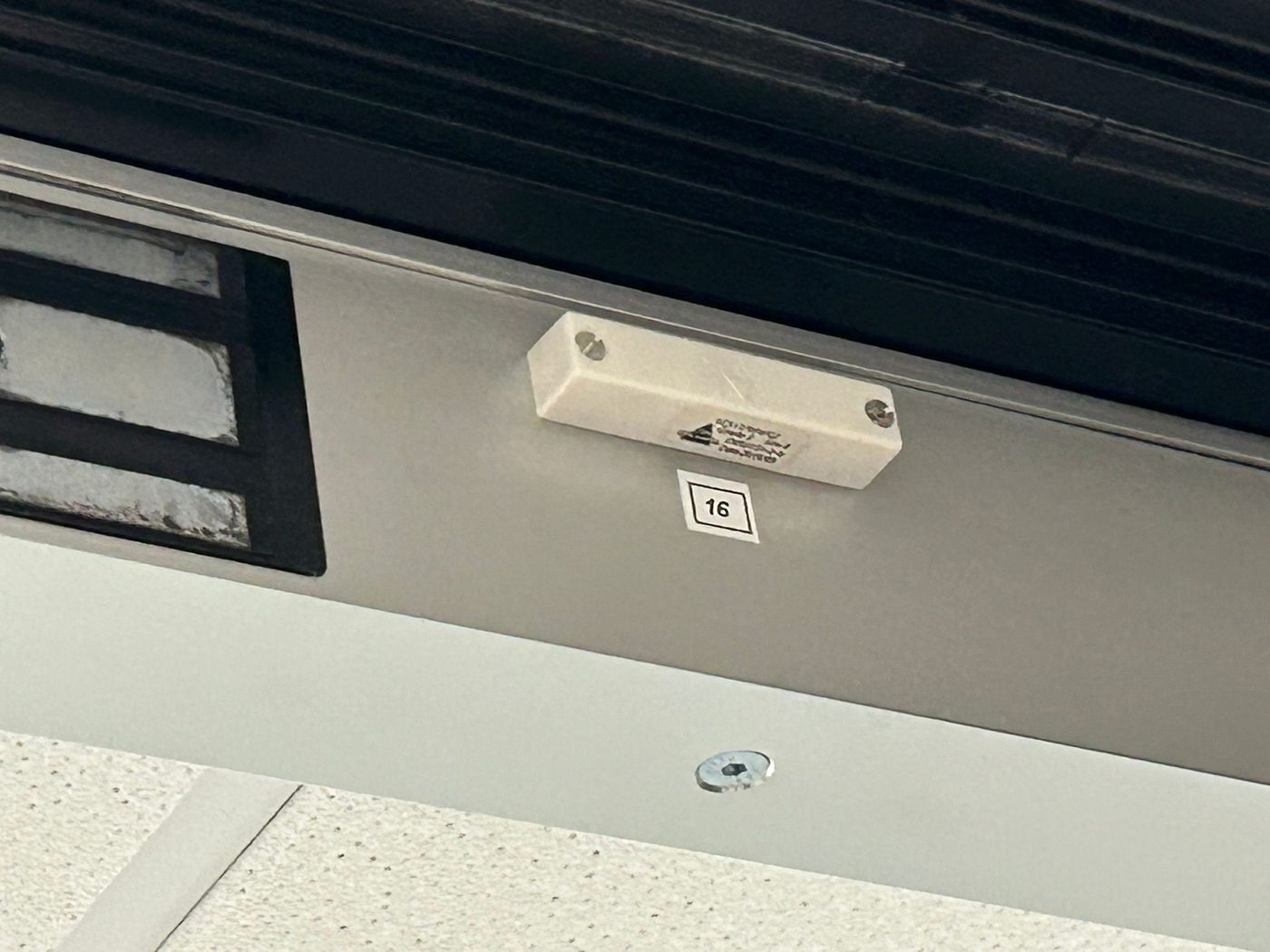
Our intruder alarm quotes include the survey, design, control panel, keypads, detectors, door contacts, external sounder, signalling equipment, installation, commissioning, the SSAIB certificate of conformity, app set-up and handover training. Monitoring and the maintenance contract are priced separately, so you can see exactly what each costs. Where police response is in scope, we handle the URN application once the system is commissioned.
How much does a commercial intruder alarm cost?
Guide prices from our commercial intruder alarm cost guide, excluding VAT and confirmed at a free survey:
- Small commercial, Grade 2: £1,500 to £3,000 installed
- Medium commercial, Grade 2 or 3, several zones, dual-path signalling: £3,500 to £8,000
- Larger or higher security, Grade 3 or 4, monitored: £8,000 to £25,000+
- Monitoring through an alarm receiving centre: typically £300 to £900 a year, depending on grade and response level
- Maintenance: normally 8 to 15 percent of the installed value per year
Moving from Grade 2 to Grade 3 typically adds 30 to 60 percent to the installation cost. The pricing calculator gives an indicative range in a few clicks.
Who needs a commercial intruder alarm in East Anglia
- Logistics and warehousing: large open areas, loading doors and yards, often Grade 3 where stock is valuable.
- Food production: plant and stock on sites that are empty overnight or at weekends.
- Retail: stockrooms, tills and shopfronts, often with hold-up alarms for staff.
- Offices and business parks: part-setting so staff can work late in one area while the rest is armed.
- Schools: large sites with many entrances, zoned so evening lettings and cleaning don't disarm the whole building.
- Care homes and housing: offices, medication stores and plant rooms protected without affecting residents.
- Rural businesses: outbuildings, machinery stores and fuel, where nobody will hear a bell.
Intruder alarm maintenance
Your insurer will expect the system to be maintained by an accredited installer, and police response depends on it. A maintenance visit tests every detector, the panel, batteries, sounders and both signalling paths, checks for building changes that affect coverage, and renews the certificate of conformity. Maintenance normally costs 8 to 15 percent of the installed value a year. Maintenance contract customers get a 4-hour response to emergencies and a same-day response to non-emergency faults. We also take over systems other companies installed, after a survey.